One claim we are not repeating
The guide we worked from opens by saying peptides are safer than normal medicines, because they use pathways your body already has.
We are leaving that out. Natural does not mean safe. And you cannot call something safe while admitting, a paragraph later, that nobody has long term data on it. Both of those things were in the same source.
The common problems
These are the ones most people actually run into. Most are annoying, not dangerous.
- A sore spot where you injected. Redness, swelling, itching. Usually gone in hours or days.
- Stomach trouble. Feeling sick, bloating, going less or more often. Most common with GLP-1 drugs. It often eases as your body settles.
- Flushing. A hot face or a warm wave through you. Usually passes within hours.
- Odd sleep or energy. Common in the first few weeks while things adjust.
- Food tasting different. Things you liked can stop appealing. With GLP-1 drugs that is partly the point.
The serious ones
Rarer. Worth knowing before you start, not after.
- Allergic reaction. Rare, but it can be dangerous fast.
- Blood sugar crashing too low. The big one if you have diabetes or take medicine that lowers blood sugar. This can kill people.
- Heart effects. Blood pressure or heart rhythm changes, mostly in people who already have heart trouble.
- Your own hormones slowing down. Your body can make less of something when it is handed a substitute.
- A worry about cancer. Growth hormone peptides are not thought to cause cancer. The concern is that they could feed a tumour that is already there. That is why an active cancer diagnosis rules them out.
Who should not take these
| If this is you | Why |
|---|---|
| You have cancer now | Growth hormone peptides are ruled out until a cancer doctor says otherwise. |
| Pregnant, breastfeeding, or trying | There is no safety data. Avoid. |
| Under 18 | Nobody knows what these do to a body that is still growing. |
| Diabetes with damage | Eye or kidney damage, or blood sugar that already drops too low, needs a specialist. |
| Serious heart disease | A recent heart attack, unstable chest pain, or bad heart failure. |
| On medicine for your mind | Some peptides act on the same signals. Needs a doctor watching. |
Medicines that clash
This is where people get hurt, and it is the least talked about part.
If you take diabetes medicine, adding a GLP-1 drug can drop your blood sugar dangerously low. That is the most important sentence on this page.
Others worth raising with a doctor:
- Blood pressure medicine. Some peptides move blood pressure too.
- Antidepressants and mood medicine. Interactions here are hard to predict.
- Blood thinners. Some peptides affect clotting.
- Hormone treatment. Testosterone or thyroid medicine can interact in messy ways.
Call for help now if
Do not wait to see if it passes
Trouble breathing, a swollen face or throat, or a rash spreading fast. This is an allergic reaction. Call emergency services.
Shaking, sweating, confusion, or feeling like you might faint. This can be blood sugar dropping too low. Take sugar right away, then get medical help.
Chest pain, badly short of breath, or fainting. Get emergency help.
If something feels seriously wrong, stop taking it and get help. Being wrong about an emergency costs you an evening. Being right and waiting can cost far more.
Tell your doctor. Really.
People hide this. They bought it online, or they expect a lecture, so they say nothing.
That is exactly how someone ends up in an emergency room while the doctor treating them is missing the one fact that explains everything.
Your doctor needs to know. Especially before any surgery, and especially if you take other medicine. They cannot help you with half the picture.
What nobody actually knows
Almost all safety information on peptides comes from short studies, single case reports, and what doctors have happened to see. Not decades of follow up.
- Long term effects: unknown for most of them.
- Whether effects build up over years: unknown.
- Whether your body stops responding over time: varies, and poorly mapped.
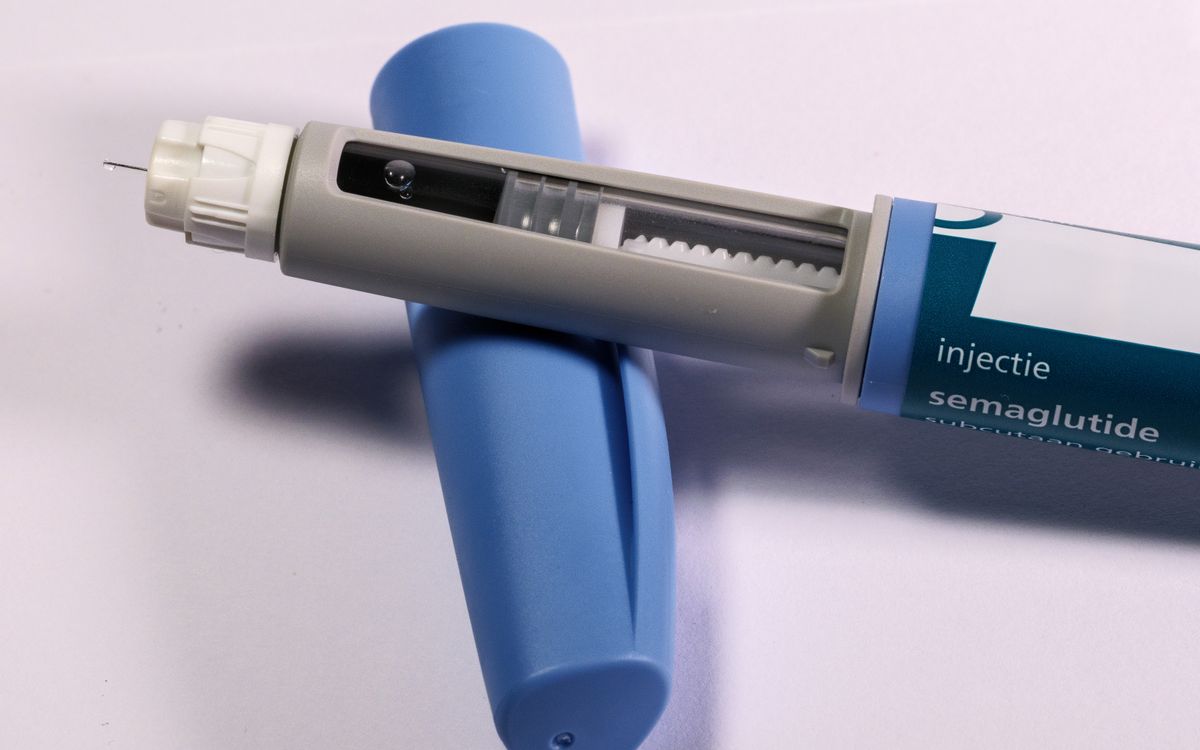
The approved GLP-1 drugs are the exception. They have years of trial data behind them. Most of the rest do not, and a clean safety record built on nobody looking is not a clean safety record.
What we left out of this article, and why
The source included how to inject, how to keep things sterile, how to rotate injection spots, what syringes to use, how much to start with, and how to store it. We publish none of that. Here is why.
Think we got something wrong? Here is how we fix mistakes.