The short answer
A peptide is a short chain of tiny parts called amino acids.
Amino acids are the building blocks of your body. They make up your muscles, your hair, and the stuff in your gut that breaks down food.
Link 2 to 50 of them together and you have a peptide. Link more than 50 and scientists usually call it a protein. That is the whole difference. Length.
Your body already makes them
You make thousands of peptides every day. They help run almost everything that happens inside you.
The most famous one is insulin, a chain of 51 amino acids. People with diabetes have injected it for more than 100 years. Another is oxytocin, which some people call the love hormone. It plays a part in bonding and in childbirth.
The peptides sold as drugs are one of two things. Some are exact copies of what your body already makes. Others are copies that have been changed a little, so they last longer or work harder than the natural version.
Peptides are not steroids
This is the question people ask most. They are not the same thing at all.
A steroid adds a hormone. If you take testosterone, you are putting testosterone straight into your body. You end up with more than you started with.
A peptide sends a message. It does not add a hormone. It tells your body to make more of its own, or to start some other process.
No peptide raises testosterone directly. Anyone who tells you otherwise is selling something.
The closest thing is a group that nudges your body to release more growth hormone. Even those give small changes in recovery and body shape. They do not build muscle the way steroids do.
How they work: a key and a lock
Every peptide has a shape. Think of it as a key.
Your cells are covered in receptors. Think of those as locks.
When the right key fits the right lock, it switches something on inside the cell.
Most peptide locks are a type called a GPCR. Here is what happens when the key turns:
- The lock changes shape.
- That switches on a helper protein inside the cell.
- The helper makes messenger chemicals.
- Those messengers carry the signal deeper into the cell.
One key can set off a long chain of messages. That is why a very small amount of a peptide can do a lot.
It is also why peptides can be picky. One targets healing. Another targets growth hormone. A peptide can work on one job without stirring up everything else.
Why most are shots and not pills
Your stomach breaks peptides apart. That is its job.
It breaks proteins and peptides down into single amino acids, small enough for your gut to take in. Swallow most peptides and they are destroyed before they can do anything at all.
A shot under the skin skips the stomach. The peptide reaches your blood in one piece.
There are exceptions. A few have been changed to survive the stomach. A few work as nose sprays, because they soak in through the lining of your nose. But for most, a shot is the only way that works.
When do peptides make sense?
Researchers point to three situations.
- When your own supply drops. Growth hormone falls by roughly 14 to 15 percent every ten years after age 30. That can mean slower recovery and worse sleep.
- When something is not working well. That might come from an injury, from long term stress, or from your genes.
- When you want to speed up something natural. Healing faster, say, or losing fat faster than your body would on its own.
In plain terms: peptides are for people who already train, eat, and sleep well and have stopped making progress. They are tools for fine tuning. They are not a shortcut past the basic work.
The main groups
Peptides get sorted by what they are used for.
- Fat loss
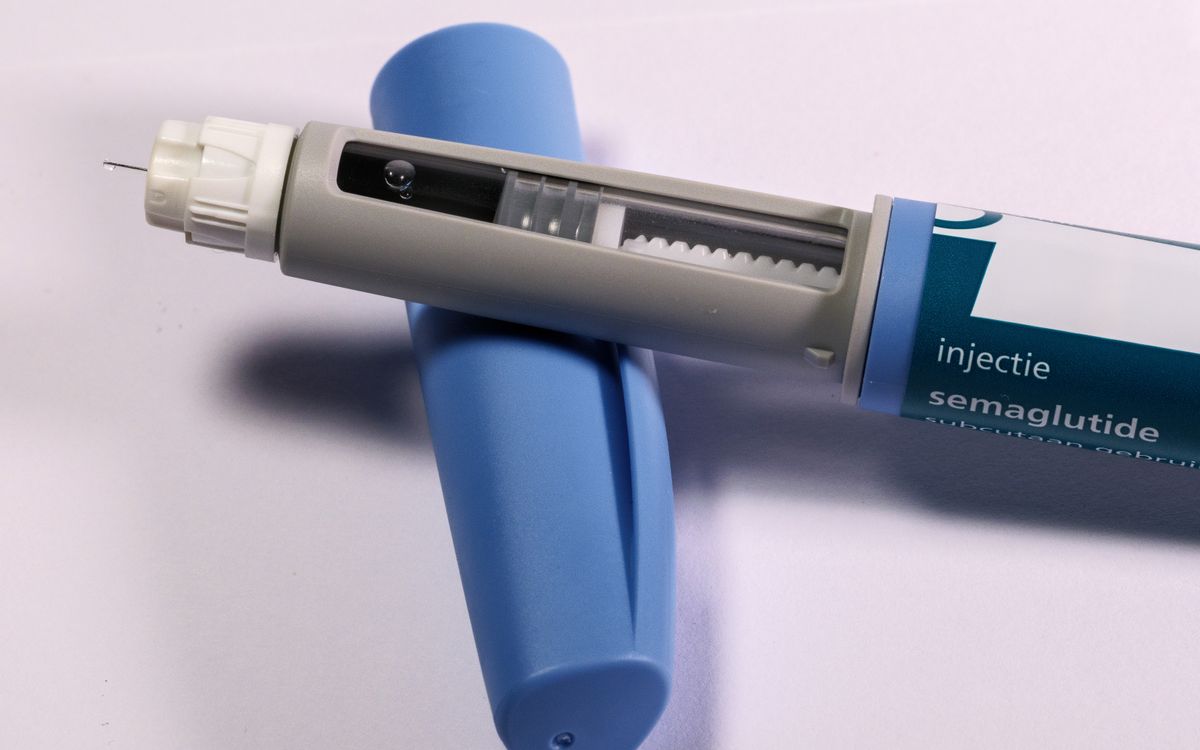
- GLP-1 drugs like semaglutide, tirzepatide, and retatrutide
- Growth & recovery
- Growth hormone helpers, plus healing peptides like BPC-157 and TB-500
- Brain & mood
- Peptides that act on brain signalling, such as Semax and Selank
- Ageing
- Compounds aimed at cell repair and how cells make energy
- Immune system
- Peptides meant to calm swelling or steady the immune system
- Sexual health
- Peptides such as PT-141, which act through the brain
The groups are not equal
Only the fat loss group has been tested in large human trials. Semaglutide and tirzepatide were studied in thousands of people before they were approved.
Most of the others have not. Many are sold as "research" chemicals, which means they were never approved for people to take. Some have only been tested in animals, or in a handful of people. Do not read this list as six equally proven options. It is one well-tested group and five open questions.
What to expect, and what not to
Peptides are not magic. All they do is nudge systems you already have.
- If you are not training, eating well, or sleeping, they will not do much for you.
- Healing peptides may speed recovery. They cannot fix damage that needs surgery.
- Growth hormone peptides may help sleep and recovery. Muscle gain is not what they do.
- GLP-1 drugs cut hunger a lot. But if you do not build better eating habits while you are on them, the weight comes back when you stop.
They also take patience. Most need shots for months before there is much to see.
What we left out of this article, and why
The source we worked from included one person's own experience of how these felt and how long they took to work. We left that out. One person's story does not tell you what will happen to you, and we hold that line everywhere on this site.
We also left out how much to take, how to mix it, and how to store it. We do not publish that. Here is why.
Where this came from
- StatPearls, Biochemistry: Peptide, 2023.
- StatPearls, Biochemistry: G Protein Coupled Receptors, 2023.
- Britannica, What is the difference between a peptide and a protein?, 2025.
- National Human Genome Research Institute, Peptide.
- Frontiers in Pharmacology, Transmembrane signal transduction by peptide hormones, 2015.
- Cold Spring Harbor Perspectives in Biology, Second Messengers, 2016.
- University of Queensland, Institute for Molecular Bioscience, Explainer: peptides vs proteins, 2020.
- Fosgerau K and Hoffmann T, Peptide therapeutics: current status and future directions, Drug Discovery Today, 2015.
Think we got something wrong? Here is how we fix mistakes.