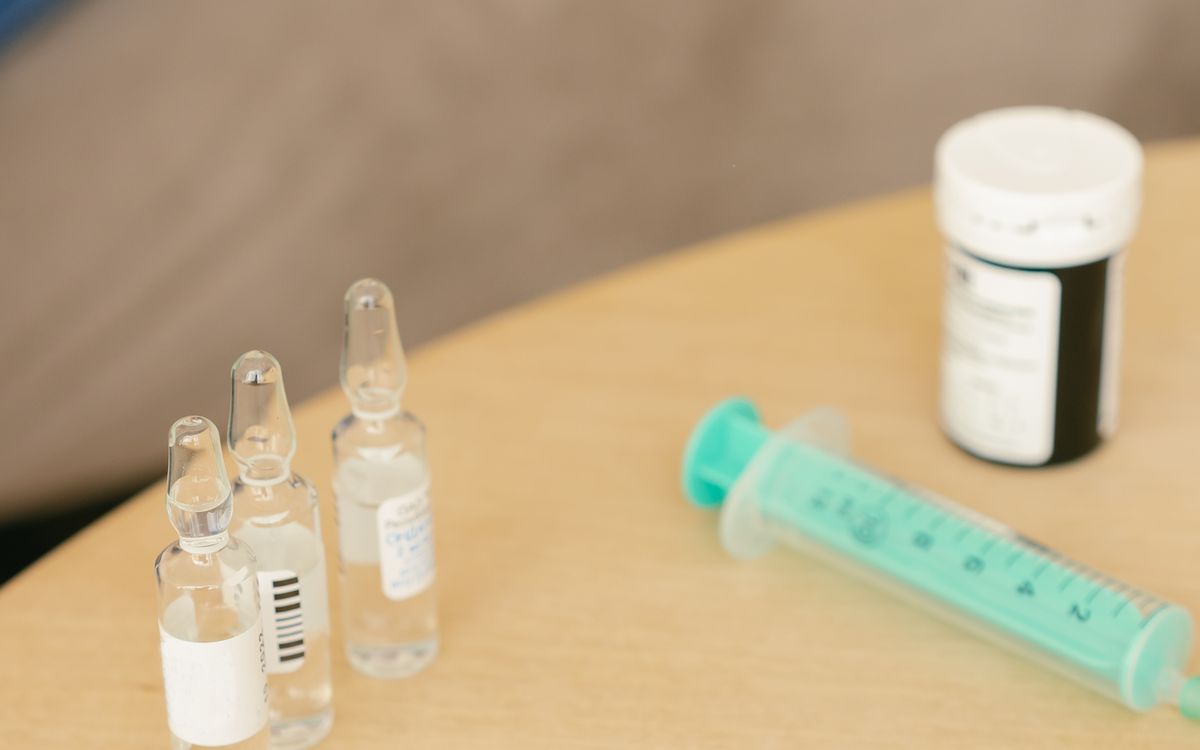
Before anything else
This page explains how the routes differ. It is not a recommendation to inject anything. Several compounds this applies to are not approved for people in any country.
The two routes
Under the skin is the usual one. The proper word is subcutaneous. The needle goes into the layer of fat that sits just under your skin, not into muscle. It absorbs slowly and steadily, and it hurts less. Most peptides are made for this.
Into muscle goes deeper and needs a longer needle. The proper word is intramuscular. It gets in faster but does not last as long.
Which one applies is decided by the drug, not by preference. Most peptides are formulated for under the skin.
Where on the body
| Site | What to know |
|---|---|
| Belly | The biggest area and the most consistent. Stay at least two inches away from your navel, and off any scars or moles. |
| Outer thigh | Good fat layer. Stay on the outside. The inner thigh has blood vessels and nerves closer to the surface. |
| Upper arm | Works well, but awkward to do to yourself. Easier if someone else is doing it. |
| Lower back | Enough fat there, but most people cannot reach it comfortably alone. |
The technique
- Clean the skin and let it dry. Wet alcohol carried in by the needle is what stings.
- Pinch a fold of skin if you are lean, so you stay out of the muscle.
- In quickly and smoothly. Somewhere between 45 and 90 degrees, depending on how much fat is there.
- Push slowly. Five to ten seconds for the whole amount.
- Out straight and quick.
- Gentle pressure with a clean pad afterwards.
Hesitating on the way in hurts more than going in fast. That is the biggest single difference between a painless injection and a bad one.
Rotate, and here is why
Every guide says rotate your sites. Far fewer say what happens if you do not.
Inject the same spot over and over and the tissue underneath thickens into a lump. The medical name is lipohypertrophy. People with diabetes have known about it for decades.
Once a lump forms, absorption there stops being predictable. Sometimes less gets in. Sometimes it sits and then arrives in a rush. Either way, the careful dose you worked out no longer behaves like the dose you worked out.
That is the real reason rotation matters. It is not about tidiness.
- Leave at least an inch between spots. Two is better.
- Give a week before you come back to exactly the same place.
- Never inject into a lump or a hardened patch. Let it recover.
- Keep a note of where you have been. You will not remember.
Needles
- Length
- 6mm to 12mm covers most injections under the skin. Roughly a quarter to half an inch.
- Gauge
- 28 to 31. A higher number means a thinner needle, which is more comfortable but slower to push.
- Type
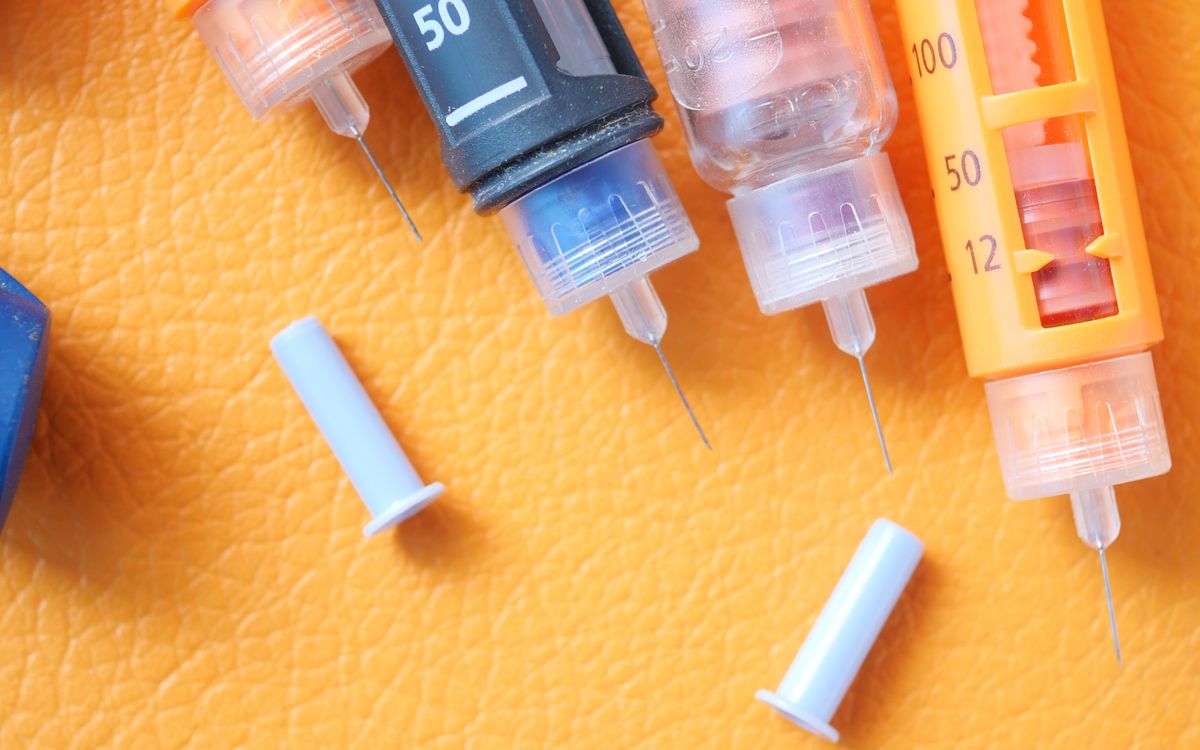
- Insulin syringes come with the needle already attached and suit most peptide amounts.
Three things the guides leave out
Never reuse a needle
A needle is blunted by a single use. The second time it goes in it hurts more, it does more damage to the tissue, and it carries a higher chance of infection. One needle, one injection, every time. The source we worked from did not mention this once.
Throw sharps away properly
A proper sharps bin, or failing that a rigid sealed container that nothing can push through. Never loose in a bin bag, where somebody else finds it with their hand.
Be careful with rubbing the spot afterwards
Massaging the area is common advice, and the source repeats it. Be careful with it. Rubbing can speed up absorption in ways you did not plan for, and for some injectable drugs it is specifically discouraged. Gentle pressure is enough.
Making it hurt less
- Let the alcohol dry properly. This is the most common cause of stinging.
- Let the liquid warm up. Straight from the fridge stings more.
- Fast in, slow push. The opposite of what nerves make you want to do.
- Breathe out as you go in. Tension makes it hurt more and makes your hand less steady.
Think we got something wrong? Here is how we fix mistakes.